
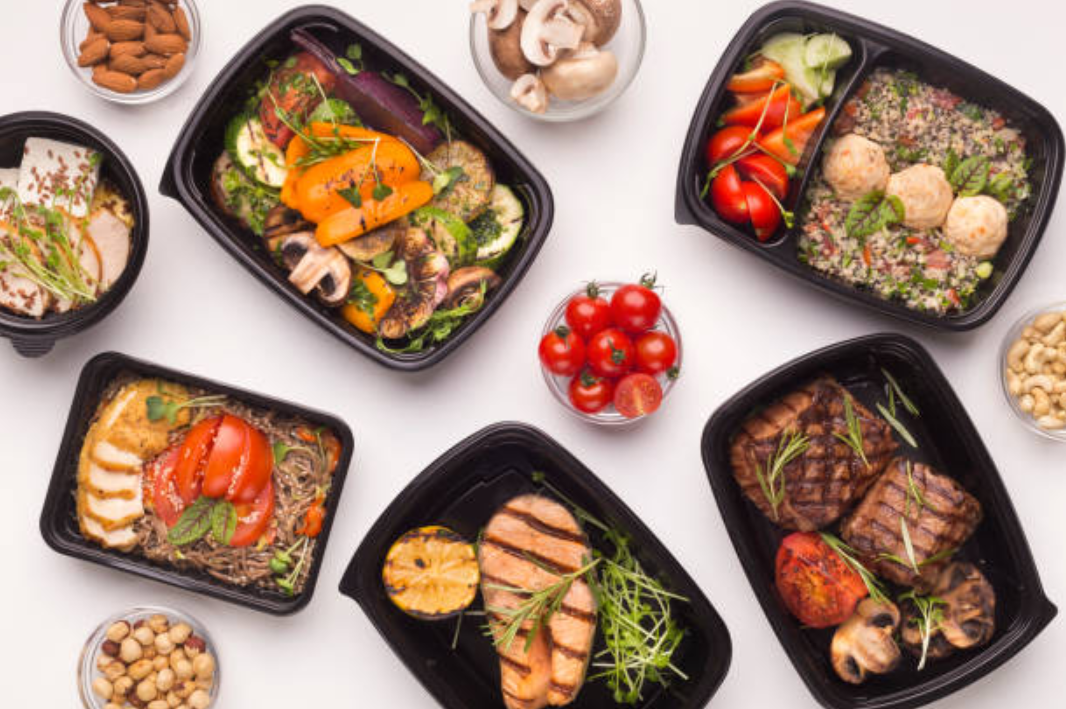
 As a Chinese plastic tableware manufacturer that has worked with many UAE and Middle East buyers, we know how important it is for disposable tableware wholesalers to find the right long‑term partner. In your market, customers expect safe, clean, good‑looking packaging that matches your brand image and stands up to the UAE climate. At the same time, you must control cost, avoid complaints, and keep stock moving.
From what we see, the biggest problem is not “China quality” itself. The real problem is choosing the wrong supplier or not asking the right questions at the beginning. When UAE disposable tableware wholesalers rush to place orders based only on the lowest price, they often pay much more later in lost customers, damaged reputation, and wasted stock.
In this article, we’d like to share practical, factory‑level advice to help you choose reliable Chinese manufacturers for wholesale plastic tableware, whether you buy for restaurants, cafés, catering companies, supermarkets, or convenience stores.
Start from Your Own Business Model and Product Mix
Before you compare Chinese suppliers, it’s important to be clear about your own needs. Many disposable tableware wholesalers tell us they lost months because they were not 100% sure what they wanted when they started talking to factories.
You can make your sourcing much easier by answering a few simple questions inside your team first:
- Who are your main customers? (Quick‑service restaurants, bubble tea shops, hotels, catering companies, supermarkets, online food delivery brands, etc.)
- What are your top 10–20 fast‑moving products by volume and value? (For example: 12oz and 16oz PET cups, PP food containers, paper coffee cups, cutlery sets.)
- How do your customers use the products? (Hot / cold, dine‑in / takeaway / delivery, microwave / no microwave, freezer / no freezer.)
- What matters most to them? (Price, appearance, strength, clarity, eco‑friendly image, halal certification on food contact materials, etc.)
- What are your minimum quality standards? (For example: cup wall thickness, lid‑fit, no visible smell, no oily feeling, weight tolerance.)
When you are clear on these points, a good Chinese plastic tableware manufacturer can quickly suggest suitable materials, product specifications, and packaging solutions. It also helps you avoid wasting time on products that look cheap in photos but do not match your real market.
For example, if most of your customers are delivery‑focused cloud kitchens, stackability, leakproof lids, and strong PP food containers may be more important than ultra‑clear cups. If you mainly supply cafés and juice shops in malls, PET cups with high clarity and custom printing may bring you better sales and repeat orders.
Understand Key Disposable Tableware Materials
Many problems for disposable tableware wholesalers start from choosing the wrong material for the wrong application. You don’t need to be a chemist, but a basic understanding of common materials will help you talk to Chinese manufacturers more confidently.
PP (polypropylene)
PP is one of the most common plastics for hot food containers, noodle bowls, microwaveable lunch boxes, and some cups. It handles heat well, usually up to around in normal use, so it is suitable for hot dishes, reheating in the microwave, and even some steam environments. For UAE buyers, PP is a good choice for takeaway rice, curries, biryani, and other hot meals. When you select PP food containers, you should care about thickness, lid design, and whether the factory can provide simple migration test reports to show the material is safe for hot contact with food.
PET
PET is the clear, glossy plastic you see in many cold drink cups and salad bowls. It is perfect for iced coffee, fresh juices, smoothies, bubble tea, and cold desserts. PET cups show off the drink’s color very well, which is important for brand image in cafés and juice shops. However, PET is not suitable for hot drinks or microwaving. For UAE disposable tableware wholesalers, this is critical: if your staff uses PET cups for hot tea or Arabic coffee by mistake, you may face deformation and safety complaints.
PS (polystyrene)
PS is a rigid but more brittle plastic used in some cups, lids, and small portion containers for sauces. It can look clear and attractive, but it cracks more easily than PET or PP if it is too thin. PS is best for cold or room‑temperature use and is not recommended for very hot fills. When you source PS items, pay attention to wall thickness and stacking strength. If the cups crush during transport in hot UAE weather, you will receive many complaints from your retail or catering clients.
PLA (polylactic acid)
PLA is a plant‑based, compostable material used mainly for eco friendly disposable tableware, especially for cold drink cups and some cutlery. PLA cups can look similar to PET cups, but they cannot handle high temperatures and will deform with hot liquids. If your customers want a “green” image or have eco projects, PLA cups and lids can be a good choice for cold drinks. As a wholesaler, you should confirm with your Chinese manufacturer what compost standards the PLA meets and explain clearly to your customers that these products are for cold use only.
Paper
Paper cups, paper bowls, and paper food boxes remain very popular in the UAE. They can be lined with PE or PLA to prevent leakage. Paper is a good choice for coffee shops, bakeries, and brands that want a more natural look. However, the performance of paper items depends a lot on the coating quality and gram weight (paper thickness). When you source from China, ask your supplier to explain the inner coating type and show you leak and heat resistance tests.
CPET
CPET is a special type of PET used mainly for oven‑ready and ready‑to‑heat meals. It can go from freezer to oven and is common for airline food trays and some retail ready meals. If you supply airlines, hospitals, or institutional catering, working with a manufacturer who can produce CPET trays and understands these high‑temperature applications can give you a strong advantage.
When you choose a Chinese factory, make sure they understand which materials fit which products. A professional supplier will guide you away from risky combinations, like using PS lids on very hot PP containers or using PET cups for tea.
How to Tell a Real Factory from a Trader in China
For disposable tableware wholesalers in the UAE, one of the biggest challenges is knowing whether you are dealing with a real manufacturer or just a trading company. Traders are not always bad, but when problems appear, they may not have full control over production or quality.
Here are some simple checks you can use:
- Ask for factory profile and photos. A real Chinese plastic tableware manufacturer can show you photos or videos of production lines, raw material storage, mold workshops, and packing areas.
- Check product range consistency. If a supplier offers everything from ceramic plates to stainless steel cutlery to toys, they are most likely a trader. Real factories usually focus on certain materials and product types, such as disposable plastic tableware and food packaging.
- Look at lead times and MOQs. Manufacturers typically have more stable delivery times and clear minimum order quantities for each item. If every product “can be any quantity, any time,” that can be a sign of a pure trader.
- Confirm whether they can customize molds. A factory that owns molds and machines can usually adjust designs, thickness, and weight more easily. Traders often say, “We need to ask our factory” for every small change.
- Ask if they welcome factory visits or video calls from inside the plant. Serious manufacturers are usually proud to show their production environment, even via live video for overseas clients.
At www.jhpkg.com, for example, our main focus is disposable plastic tableware and related packaging. We invest in molds, machines, and quality control systems because this is our core business, not a side line.
Food Safety and Compliance Made Simple
 Almost every UAE buyer tells us that food packaging safety is a top concern. At the same time, certificates and test reports can look confusing, especially if you are not a technical expert. From our experience, disposable tableware wholesalers do not need to read every detail, but you should know the basics and ask for the right documents.
First, make sure the supplier can clearly state which regulations their products follow. For the UAE and GCC region, many buyers look for compliance with EU food contact regulations or equivalent international standards. This does not mean you must become a lawyer; it simply means the factory should have passed food‑grade tests for migration (how much of the material can move into food under certain conditions).
Second, ask for simple, clear test reports for your main products and materials. For example, if you are buying PP food containers for hot rice dishes, you should see tests that simulate high‑temperature contact with oily food. If you are buying PET cups, the test should cover long contact with cold or room‑temperature drinks.
Third, check that the factory has basic quality management systems in place, such as documented incoming material checks and production inspections. Even smaller factories can follow simple but effective routines, like checking cup weight and visual appearance every hour, or testing lid‑fit on random samples from each batch.
Finally, remember that food packaging safety is not only about chemical tests. Clean production areas, good storage practices, and proper packing methods also protect your customers. When you receive samples, pay attention to smell, surface cleanliness, and how the products are packed in cartons. A strong, strange smell or dusty, dirty packing is a warning sign.
Use Samples and First Orders to Control Risk
Even when you choose a good Chinese manufacturer, you should still use samples and first orders in a smart way to reduce risk. Many disposable tableware wholesalers in the UAE skip some simple steps and later face problems that could easily have been avoided.
A practical, step‑by‑step approach could look like this:
- Request material‑matched samples. If you plan to buy PP containers for hot food, test PP containers, not just any samples the factory has on hand.
- Test in real conditions. Fill containers with your actual food or drink, at the real temperature, and use them as your customers would (microwave, delivery, stacking, etc.).
- Check key points carefully:
- Smell (should be neutral, not strong plastic or chemical)
- Strength and stiffness (no easy deformation in normal use)
- Lid‑fit and leakproof performance (especially for delivery)
- Clarity and appearance (for PET cups and salad bowls)
- Heat resistance and microwave behavior (for PP and CPET)
- Start with a focused first order. Instead of ordering a very wide range of SKUs, choose a few core items and monitor performance, customer feedback, and delivery reliability.
- Give structured feedback to the factory. A good manufacturer will welcome your comments and adjust weight, size, or packing to better fit your market.
We often see that once UAE clients run two or three cycles of sampling and small trial orders, the risk drops sharply. After that, they feel comfortable placing larger, regular orders, and both sides can plan production and shipping more efficiently.
Long‑Term Partnerships: What Reliable Suppliers Actually Do
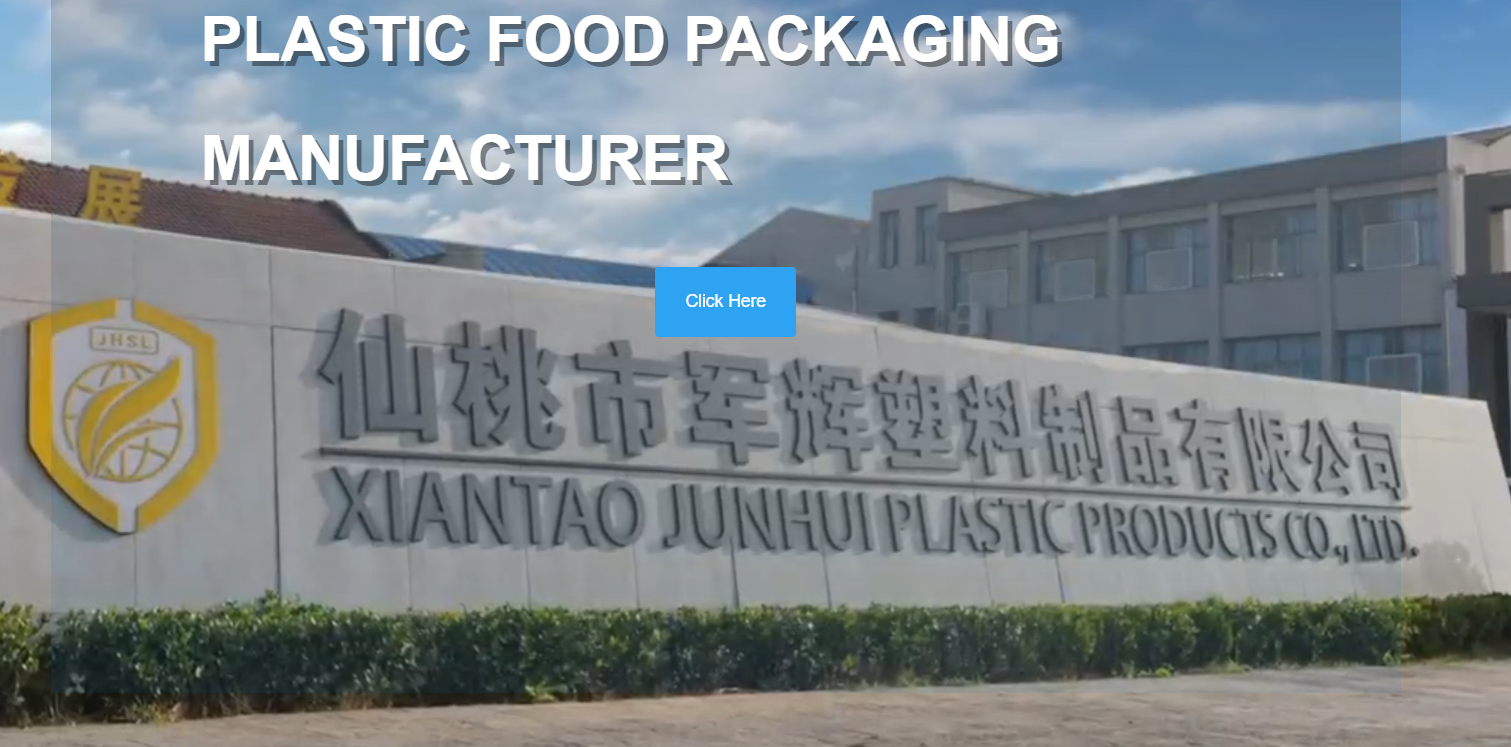
Reliable Chinese manufacturers do not just ship cartons and disappear. When we work with disposable tableware wholesalers and big catering buyers in the UAE, our goal is to become part of their long‑term supply chain, not just a one‑time seller.
In a healthy partnership, you should expect your supplier to:
- Help you adjust product mix based on sales feedback. For example, if you see that 14oz PET cups are moving faster than 12oz, your supplier can suggest new mold options or different packing ratios.
- Support you during seasonal peaks such as Ramadan and major holidays, when demand for takeaway packaging and PET cups can jump sharply.
- Offer stable quality and clear change control. If the factory needs to change resin suppliers, mold designs, or carton sizes, they should inform you in advance and offer pre‑production samples.
- Work with you on branding, such as custom printing on food grade plastic cups or branded packaging for your wholesale plastic tableware lines.
Most of our UAE clients tell us that, before they found a stable partner, more than half of their complaints used to come from just a few “cheap” items—often cups or containers sourced from unknown factories through trading channels. After they moved these fast‑moving items to a reliable, specialized Chinese plastic tableware manufacturer, complaints dropped sharply and customer loyalty improved.
Price is always important, but in the long run, a small difference in unit cost is usually nothing compared to the cost of returns, negative reviews, and losing key restaurant or supermarket accounts.
A UAE Success Story—and How We Can Support You
Let us share a simple example that we see again and again.
A mid‑sized UAE distributor focused on cafés and juice shops was buying PET cups and lids from several low‑price Chinese traders. At first, everything looked fine. After a few hot summer months, complaints started: cups cracking during transport, lids popping off in delivery bikes, and some customers reporting a strange smell when cartons were opened.
The distributor tried switching between different traders, but the problems continued because the real factories behind the products kept changing. There was no control over resin quality, cup thickness, or lid‑fit.
When they approached us, we started with a detailed discussion of their main customers, drink sizes, and brand positioning. We then sent a full set of PET cups and lids matched to their most common sizes, along with PP food containers for add‑on snacks. They tested them in real cafés for several weeks, checked stacking in their warehouse, and monitored customer feedback.
After we fixed a few small issues (slightly stronger cup for a very tall smoothie and tighter lid for one popular size), they moved their key items to our production. Within a few months, complaints about cracking and leaking dropped to almost zero, and their sales team had more time to focus on winning new café clients instead of fighting small packaging problems.
This is the kind of result we hope to bring to more disposable tableware wholesalers in the UAE and across the Middle East.
If you are looking for a specialized Chinese producer of disposable plastic tableware that understands PP food containers, PET cups, PLA cups, and other food‑grade packaging for your market, our team at www.jhpkg.com is ready to help. You are welcome to contact us to discuss your product mix, request samples, or review your current sourcing challenges. Together, we can build a safer, more stable, and more profitable supply chain for your UAE business.
