
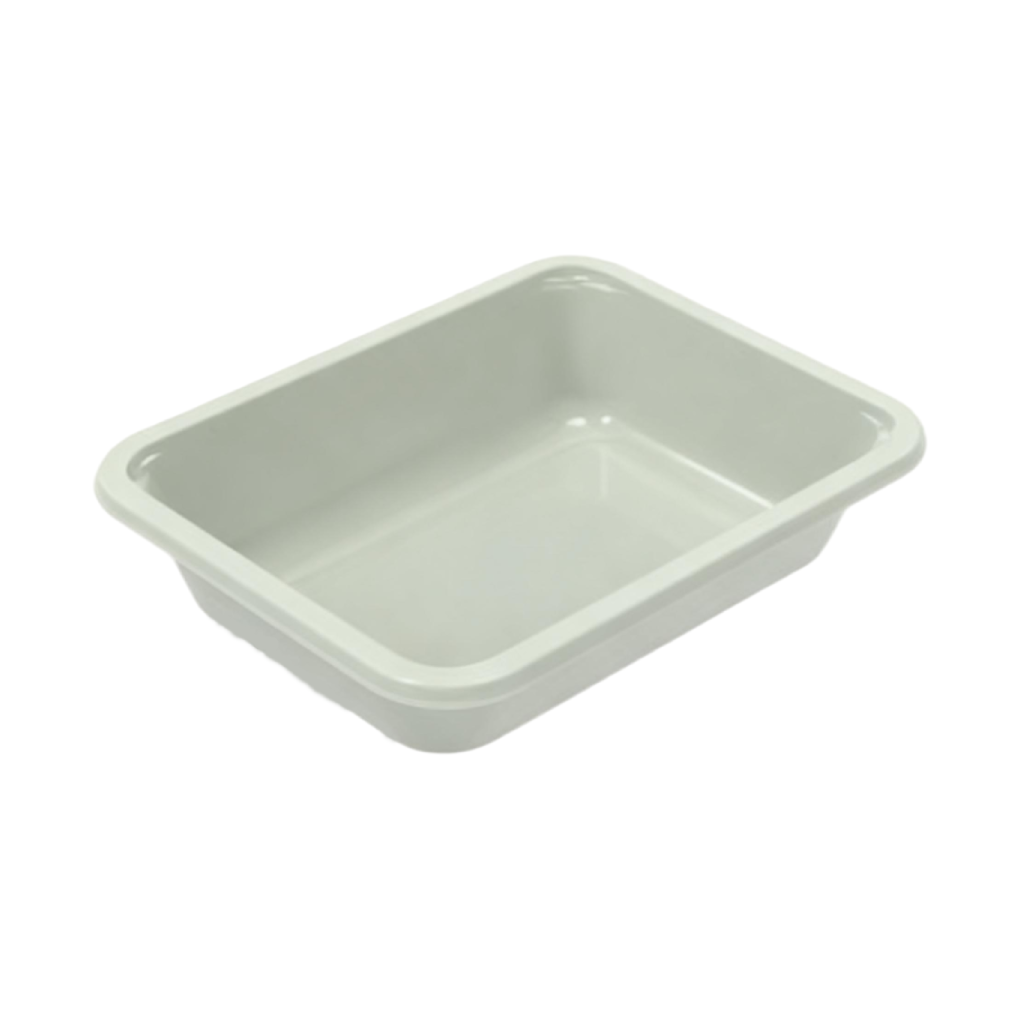
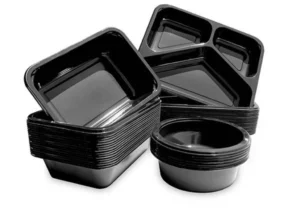
 If your food business needs oven-safe CPET containers that can handle everything from freezer storage to oven baking, you’re in the right place. CPET, or crystallized polyethylene terephthalate, is a popular plastic tray material known for its dual-ovenable qualities, making it ideal for meal prep brands, ready-meal producers, caterers, and commissaries. In this guide, you’ll learn what CPET containers are, why oven safety is important, and the best places to buy them in bulk for your kitchen or business.
What Is CPET and Why Choose Oven-Safe CPET Containers?
CPET stands for crystallized PET, a heat-treated plastic that can endure extreme temperature swings from about -40°F to 400°F. This means CPET trays can safely go from freezer to oven or microwave, making them perfect for frozen ready meals that customers can reheat at home. Compared to other plastics like polypropylene (PP) or polystyrene (PS), CPET offers superior rigidity, heat resistance, and sealability without cracking or warping easily.
Unlike aluminum trays, which conduct heat quickly and crisp foods best but can warp during rapid temperature changes, CPET trays maintain their shape well under thermal shock. Plus, CPET is recyclable under resin code #1, which is generally accepted in many U.S. recycling programs, adding some sustainability benefits compared to other plastics such as PP (#5) or PS (#6).
Note: Exact temperature limits and use conditions vary by product and supplier—always check your CPET supplier’s technical datasheet for warranty details and safe operating temperatures.
Where to Buy Oven-Safe CPET Containers in Bulk
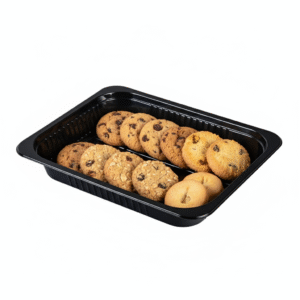 When it comes to sourcing bulk CPET containers, businesses typically have three main channels. Each has its own advantages and trade-offs regarding price, minimum order quantity (MOQ), product consistency, and after-sale support.
1. Direct from Manufacturers
Buying directly from a reliable CPET manufacturer like JH Packaging offers the best control over product quality, customization options, and ongoing supply consistency. Manufacturers usually provide a wide range of sizes, compartments, and compatible lids. They also support product testing, sample approval, and technical documentation such as FDA compliance certificates or ISO 9001 quality standards.
- MOQs may be higher but pricing tiers improve significantly with volume.
- Custom branding options like logo embossing and color sleeves are often available.
- Direct supplier relationships simplify lead time management and product troubleshooting.
2. Authorized Distributors and Packaging Wholesalers
Distributors often stock popular CPET tray models, allowing for quicker turnaround times in smaller quantities than manufacturers require. They are good if you need standard trays and want flexible order sizes without negotiating long-term contracts.
- Wider product selection from multiple brands.
- Potentially higher prices and less customization.
- Support is distributor-dependent; verify their knowledge about CPET specs.
3. B2B Marketplaces
Online platforms may offer access to many CPET suppliers with competitive pricing, especially for buyers new to the category. However, quality and consistency can vary, and sample testing may be limited.
- Useful for product research and initial small orders.
- Watch out for variable specifications or unclear food safety certifications.
- Longer lead times and shipping fees can affect landed cost.
Simple Ordering Process for Bulk CPET Containers
- Request a quote from your chosen CPET supplier or manufacturer, including product specs, size, compartments, and order quantity.
- Review and test samples for fit, seal quality, and oven performance to confirm it suits your food and process.
- Finalize the purchase order (PO) with agreed pricing, lead times, and customization details if applicable.
- Arrange shipping and delivery terms including Incoterms to clarify who handles freight and risks.
- Inspect received products promptly to ensure batch quality matches samples and specifications.
How Costs and Logistics Affect Your Purchase
 Prices for CPET containers depend on many variables: current resin market prices, mold cavity counts (how many trays made per mold), tooling costs for new custom parts, and your total volume. Shipping logistics also impact landed cost, especially for heavy orders shipped across the U.S.
To lower total costs, consider:
- Ordering larger volumes for better tiered pricing
- Negotiating stocking options with manufacturers for frequent reorders
- Consolidating shipments where possible to reduce freight charges
CPET vs PP vs Aluminum Containers: Which to Pick?
| Feature | CPET | PP (Polypropylene) | Aluminum |
|---|---|---|---|
| Temperature Range | ~-40°F to 400°F (freezer-to-oven) | Up to ~275°F, microwave-safe | Up to 500°F+, excellent heat transfer |
| Rigidity & Strength | High rigidity, shape stable | Flexible, impact resistant | Rigid but prone to warping with thermal shock |
| Sealability | Compatible with heat seal films | Compatible with some films | Typically sealed with foil lids |
| Recycling Code | #1 (commonly recycled) | #5 (limited local recycling) | Widely recycled |
| Common Uses | Ready meals, frozen foods, catering | Hot food, reheating, microwavable meals | Baking, crisping, family meals |
CPET is best for frozen or ready meals needing freezer-to-oven convenience. PP is great for microwave reheating and flexible uses. Aluminum is ideal when high-heat crisping is critical but less suited for freezing and rapid temperature changes.
Sustainability and Recycling of CPET
CPET containers, identified by resin code #1, benefit from more established PET recycling streams than PP (#5). However, actual recycling acceptance depends on your local facilities. Some regions do not accept food-contaminated trays, so providing clear disposal guidance to end users is important. Additionally, ordering the right size and compartment layout helps reduce food waste and container returns due to warping or leakage, lowering the overall environmental impact.
Frequently Asked Questions
- Are CPET containers oven- and microwave-safe?
CPET trays are designed for oven use up to about 400°F and are usually microwave safe as well. Always confirm with your supplier’s specifications to ensure safe use. - What is the typical temperature range for CPET trays?
They typically tolerate temperatures from -40°F in freezers up to 400°F in ovens, making them ideal for freezer-to-oven meals. - Are CPET lids oven-safe?
Most CPET lids are designed for cold or ambient use only. For oven-safe sealing, heat-sealable films are often used instead of rigid lids. - Can CPET go directly from freezer to oven?
Yes, that’s one key benefit. CPET containers handle thermal shock well without cracking, unlike many other plastics. - What are common MOQs and lead times for bulk orders?
Manufacturers typically require MOQs from several thousand units, with lead times ranging 3–8 weeks depending on customization. - Can CPET trays be sealed with lidding film? What sealers are used?
Heat-sealable films made for CPET are common. Impulse or band sealers with adjustable heat settings are used for best results. - Is CPET recyclable?
Yes, CPET uses resin code #1 for PET, which is widely recycled. Availability depends on local programs and contamination levels.